- Thursday, 28 May 2026

Sufficiently promote the use of EV: Environmentalists

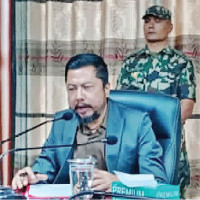
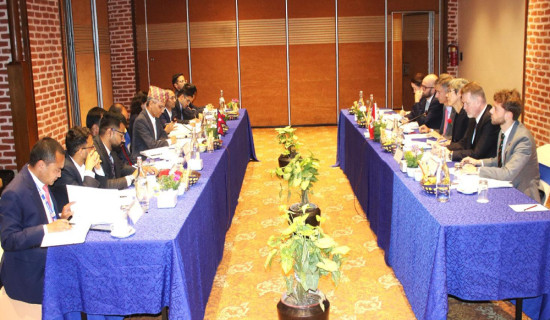
By A Staff Reporter Kathmandu, June 30: Environmentalists have complained that the government has not given importance to electric vehicles (EV) in public transport in Nepal. Environmentalists at an interaction programme on energy policy dialogue, jointly organised by the Nepal Forum of Environment Journalists (NEFEJ), Prakriti Resources Center, and World Wildlife Fund Nepal, have urged the government to increase the use of EV in public transport.
Urban transport expert Prashant Khanal said that 36 per cent of the carbon emissions in Nepal comes from transport sector and petrol-and-diesel-run buses and trucks account for a large share of it.
Even though the government has aimed to increase the number of EV by 25 per cent by 2025, the present pace would not achieve the target.
Khanal said that imports of petrol and diesel could be reduced, electricity consumption could be increased and air pollution could be reduced only if EV could replace petrol-and-diesel-run vehicles.
He added that the government has been investing in petroleum pipelines instead of implementing plans to build 100-km electric trains, operating EV in three provinces as public transport.
Khanal stressed the need to increase the use of EV in public transport, even if that means making compulsory arrangements.
Environmentalist Bhushan Tuladhar said that development works done using electricity would be a lot easier than those done without it. The government should encourage not only electric cars but also buses and other means, he added.
Tuladhar said that the newly brought Sajha buses were soon going to hit the roads of the valley and that they would be operated as service providers rather than for profit.
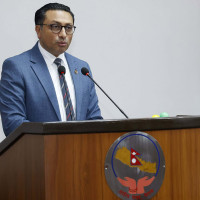
Speaking on occasion, Deputy Secretary at the Ministry of Physical Infrastructure and Transport, Shankar Prasad Dhami, said that the government had introduced various policies to increase the use of EV.
He said that the government has given priority to the promotion of EV even after increasing the tax and renewal fee of petrol-and-diesel-run vehicles.
For the promotion of electric buses for public transport, vehicle importers should also be asked to set up charging stations, he said. Discussions should start on setting up charging stations at petrol pumps, Dhami added.
Raju Pandit Chhetri, executive director of Prakriti Resources Center, said that Nepal will have imported fossil fuel worth Rs. 300 billion by the end of this year.
Chairman of the Nepal Electric Vehicle Transport Association, Shankar Prasad Pokhrel, said that Safa Tempo has been providing services for the last 25 years in the Valley when no one paid attention to the use of EV in public transport.
The number of Safa Tempo has decreased from 750 initially to 550 now. "Now people understand only cars as EV, but we have already provided public services through EV," Pokharel said.
He said that Safa Tempo provides services to 150,000 passengers daily. "Now we need to go for sustainable development and the government should promote EV as a means of public transport," he said.