- Friday, 8 May 2026


The Rising Nepal
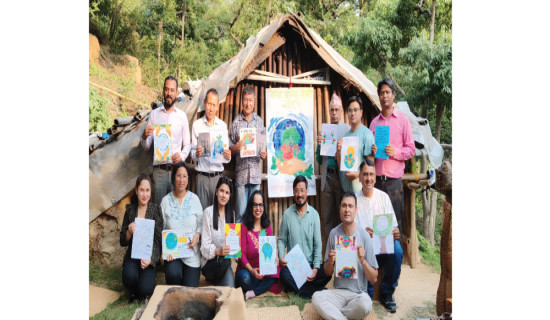
Green Poetry Reading held on World Environment Day
The tranquil Kirateshower Jungle in Gaurighat came alive with the harmonious blend of nature and poetry during the "Green Poetry Reading" event on Wednesday evening.

Netherlands kicks off European Union election across 27 nations
Polls opened in the Netherlands on Thursday to kick off four days of voting in European Union parliamentary elections across the 27 member states that are expected to deliver gains for the hard right.
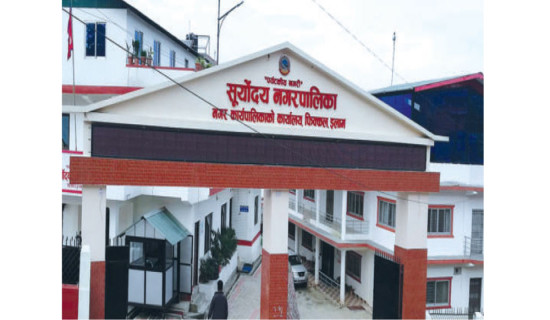
Suryodaya Municipality tops Koshi Province in education
Suryodaya Municipality in Ilam has earned acclaim as the leading municipality for educational excellence in Koshi Province. The Principals Association of Nepal, an organisation
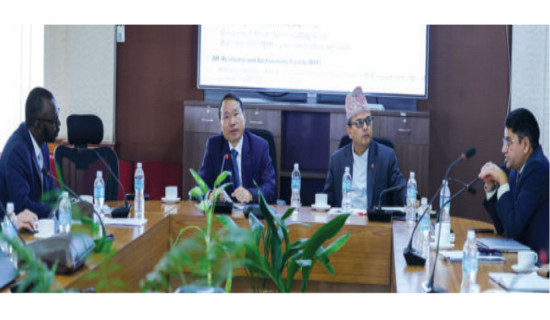
IMF to give Nepal Rs. 5.59 bn under Extended Credit Facility
A mission from the International Monetary Fund (IMF) met with Finance Minister Barsaman Pun at the ministry in Singha Durbar on Thursday. The mission, led by Dr. Tidiane Kinda, Deput

PM to attend Indian PM’s swearing-in ceremony
Prime Minister Pushpa Kamal Dahal ‘Prachanda’ is flying to New Delhi, India, to attend the swearing-in ceremony of Indian Prime Minister Narendra Modi on Sunday.
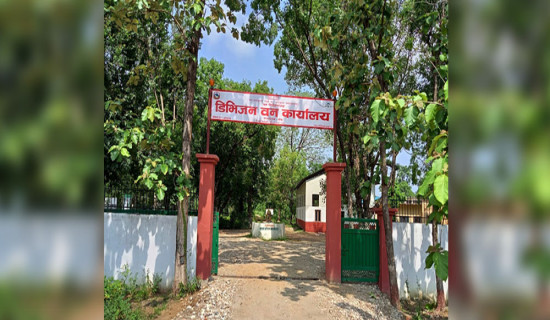
Division Forest Office produces 300,000saplings in Banke
The Division Forest Office in Banke has been producing a large quantity of saplings yearly for environmental conservation. For this, the forest office has produced 300,000 saplings this year.
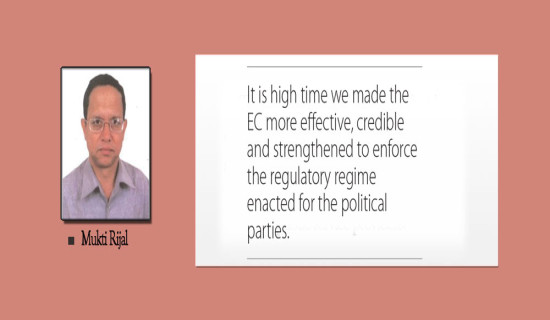
Legal Regime For Party Democratisation
Several democratic changes and transformations have occurred globally during the recent decades particularly in the domain of constitutional strengthening of the political parties. In many of the European
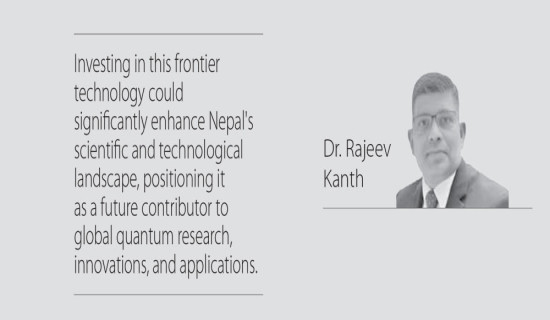
Give Priority To Quantum Computing
Quantum computing, an emerging field at the forefront of technological advancement, offers the potential to completely transform various sectors by harnessing its unique computational capabilities. Quantum compu
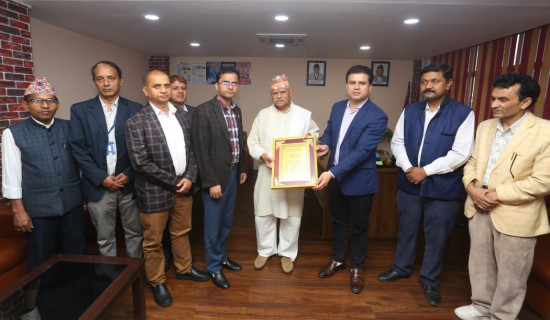
Dr. Yadav stresses sincere role of political leaders
The first President of Nepal, Dr. Rambaran Yadav, who promulgated the new constitution of Nepal in 2015, has stressed the sincere performance of political leaders to win the trust of the people.
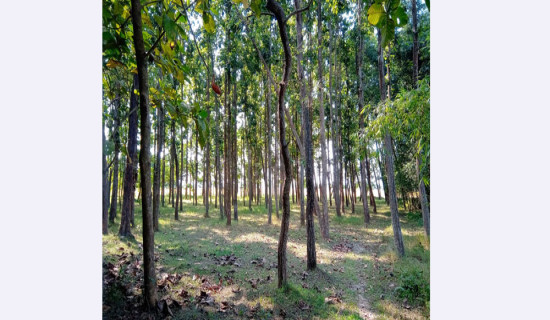
Octogenarian Chauhan works in his forest
Octogenarian Nil Bahadur Chauhan of Tupiyakhadi, Sunawarshi-6, enjoys spending his time from early in the morning to evening in his forest every day. National, partnership and community fores

European Union voters heading to polls amid foreign disinformation
Voters in the European Union are set to elect lawmakers starting Thursday for the bloc's parliament, in a major democratic exercise that's also likely to be overshadowed by online disinformation.

Police, Gandaki emerge victorious
Nepal Police Club and Gandaki Province have continued their unbeaten run at the 8th PM Cup: NVA Volleyball League while Tribhuwan Army Club and Tip Top Help Nepal faced their first loss as the four undefeated teams of the tournament faced each other at Day 5 on Wednesday.
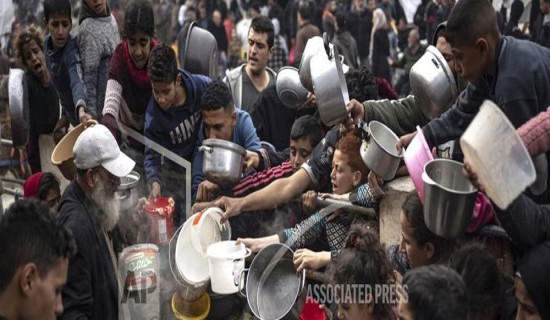
Famine possibly underway in northern Gaza
Independent group of experts warned Tuesday that it's possible that famine is underway in northern Gaza but that the war between Israel and Hamas and restrictions on humanitarian access have impeded the data collection to prove it. "It is possible, if not likely,” the group known as the Famine Early Wa
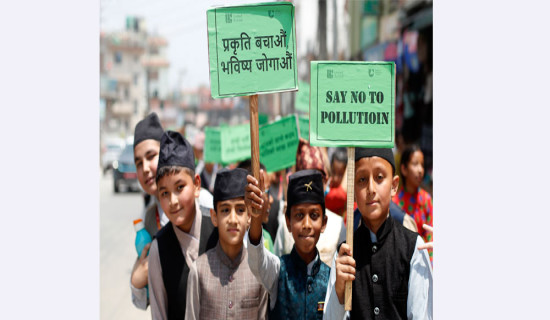
World Environment Day marked across country
The World Environment Day was marked on Wednesday across the country with the theme, “Our land. Our future. We are #GenerationRestoration.” In a message issued on the occasion of World Environment Day, Prime Minister Pushpa Kamal Dahal ‘Prachanda’ said, “This day, focused on restoring land from desertification and drought and reinstating ecological systems, aims to further motivate
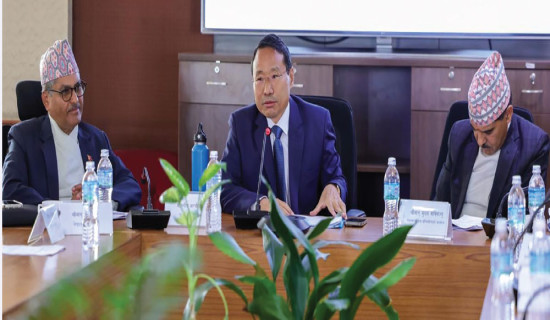
Five-year strategy on prevention of money laundering prepared
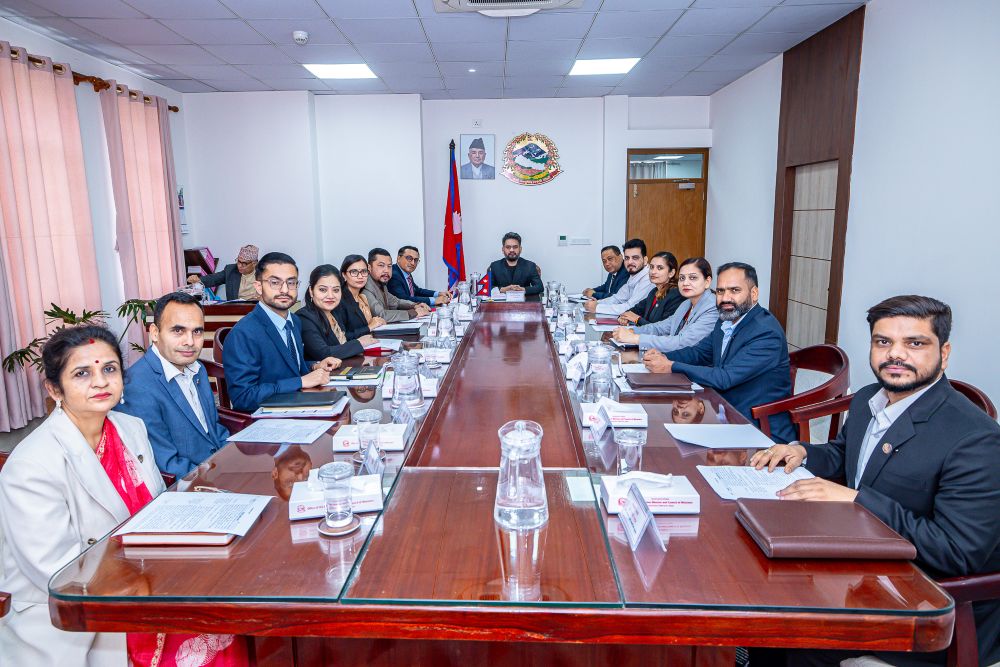
The government is going to work with a five-year strategy to improve the situation related to money laundering. The first meeting of the Money Laundering Steering Committee chaired by Finance Minister Barshaman Pun passed the draft of the strategy with amendments on Wednesday. The strategy will be implemented once approved by the Council of Ministers.