- Tuesday, 2 June 2026


The Rising Nepal

Press Freedom Vital For Citizens’ Wellbeing
As Nepal is moving ahead as a federal republic, a series of political exercises have been carried out to consolidate democracy. However, there have also been attempts to undermine the
Precaution In Melamchi
At a time when Melamchi Water Supply Project was working to ensure water supply in a sustainable manner, with round-the-year supply plan, the project has taken monsoon precaution and closed the intake gate for the peak monsoon season. The step is necessary amid increasing rainfall trend and the fact that large amount of debris has piled up in the upstream areas of the Melamchi river.

Opportunities Through Internet
Internet has advanced its reach on nearly all aspects of the human world and has facilitated the lives of people universally. Through it, one can send an email, connect on the messenger, use
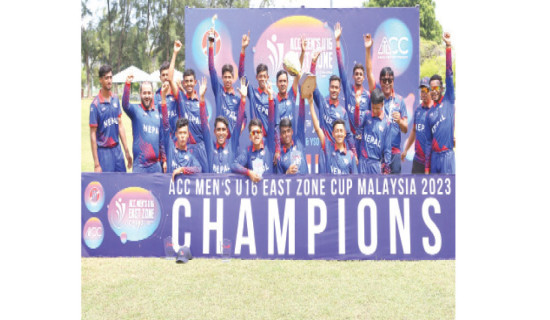
Nepal humble Malaysia to complete title hat-trick
Nepal emerged champions of ACC U16 East Zone Cup Cricket following its empathic 221-run win over Malaysia in the final match held in Kuala Lumpur on Tuesday.
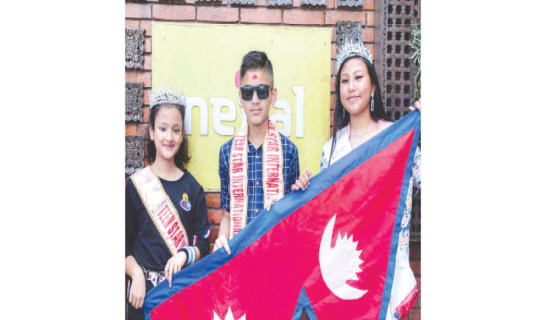
Arnav, Saira, Nivika attending Teen Star International
By A Staff Reporter Kathmandu, July 4 Arnav Shrestha, Saira Bhatt, and Nivika Duwal will represent Nepal in the prestigious international beauty contest ‘Teen Star International 2023’ taking place in Thailand from July 3 to 11. These talented children from Nepal embarked on their journey to Thailand on Monday. Event Better Galaxy, the organising agency, selected these contestants to represent Nepal. Arnav Shrestha, a 13-year-old student in grade 7 at Pragya Kunja School in Kathmandu, aims to become a businessman in the future. He previously won the ‘Natonal Kids of the Year 2022’ title, too. Saira Bhatt, an 11-year-old student studying in grade 6 at Pathshala Nepal, also participated in the same competition. Saira aspires to become a neurosurgeon and was crowned National Kids of the Year- 2022. The third participant, Nivika Duval, is 13 years old and studies in grade 8 at Little World English School. Nivika aims to pursue a career in animation and secured the first runner-up position in the National Kids of the Year- 2022. Dheeraj Tandukar serves as the National Director of the competition in Nepal, and Event Better Galaxy Entertainment is the official organisation responsible for Nepal’s representation. Rojin Shakya, a communication and fashion choreographer, conducted the orientation and training sessions for the Nepali contestants to prepare them for the international competition. The costumes worn by the Nepali participants were designed by CIFT (Creative Institute of Fashion Technology). Additionally, the contestants will showcase Nepali arts, culture, and traditional attire during the programme. The grand finale of the competition will be held on July 9.
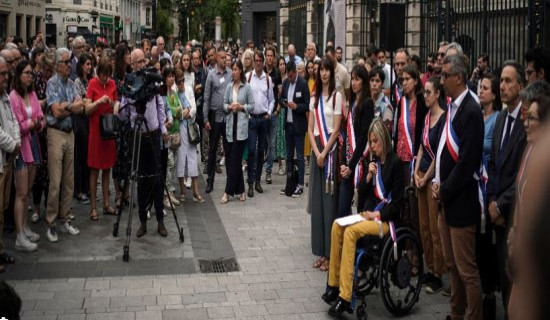
Crowds across France show solidarity at town halls targeted in rioting
Crowds gathered at town halls across France Monday to show solidarity with local governments targeted in six nights of violence touched off by the fatal police shooting of a 17-year-old in suburban Paris.
NOC slashes fuel prices
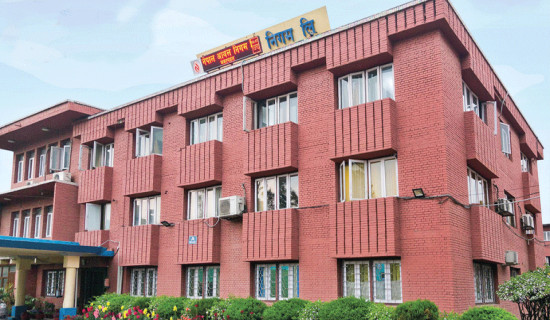
has slashed the price of petroleum products. A meeting of the NOC's board of director on Monday decided to reduce the price of petrol, diesel, kerosene and aviation fuel effective from Monday midnight.
Lalita Niwas land scam to be investigated as organised crime
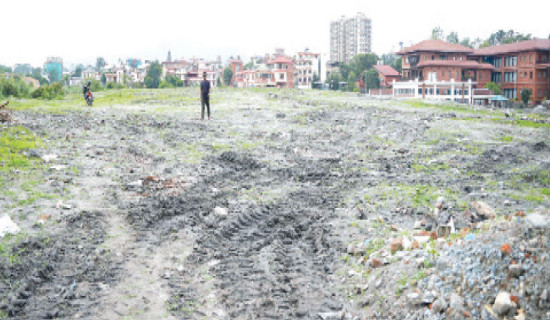
The Kathmandu District Court has given permission to investigate into those accused in the case of Lalita Niwas land scam also as an organised crime.
Three parties agree to begin process to elect House committee chairs
Three major political parties have agreed to expedite the process of electing chairmen of various parliamentary committees. During a meeting called by Speaker Devraj Ghimire on Tuesday, Prime Minister and chairman of the CPN (Maoist Centre) Pushpa Kamal Dahal ‘Prachanda’, Nepali Congress president Sher Bahadur Deuba and CPN-UML chairman KP Sharma Oli pledged to refr
Chinese Pond Heron sighted in Sudhurpaschim
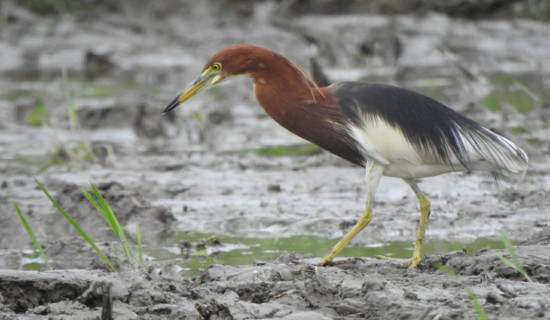
The Chinese Pond Heron has been spotted for the first time in Sudhurpaschim Province. This bird species, native to China, South Korea, and Japan, was discovered in the Jhilmila area of Beldandi Rural Municipality in Kanchanpur. Hirulal Dangaura, a member of Bird Conservatio

Over 470,000 tourists visited Nepal in first half of 2023
Nepal has welcomed 476,481 international tourists in the first six months of 2023. This is an average of 79,413 tourists every month. In June alone, 72,250 foreigners came to Nepal by air, according to the Department of Immigration.
Mumps viral disease outbreaks in Jhapa
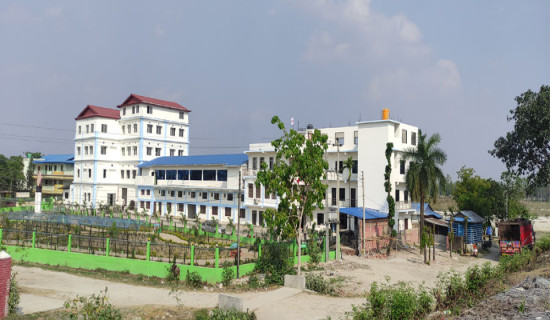
Mumps, a highly contagious viral disease that primarily affects children, continues to spread in Damak and other areas in Jhapa district. The virus responsible for mumps is transmitted through respiratory droplets from the infected individuals.
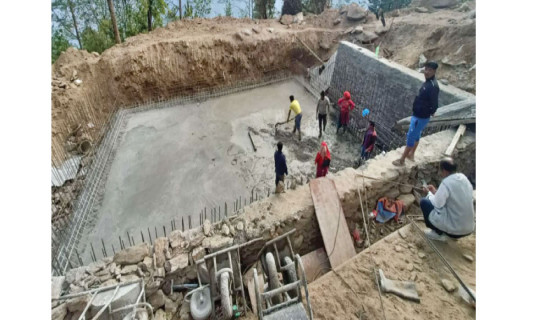
Lift project to ensure irrigation
The Water Resources and Irrigation Division Office, Dolakha, has accelerated the lift irrigation projects to provide irrigation facilities to arable land round the year.
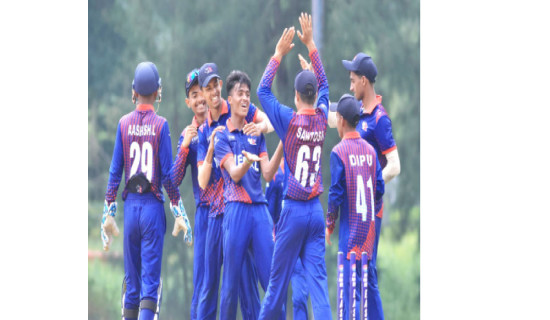
Nepal fix final date with Malaysia in ACC U16 East Zone Cup
Nepali Colts advanced to the final of the ACC U16 East Zone Cup following their 97- run victory over Singapore in the semi-final held in Kuala Lumpur, Malaysia on Monday.
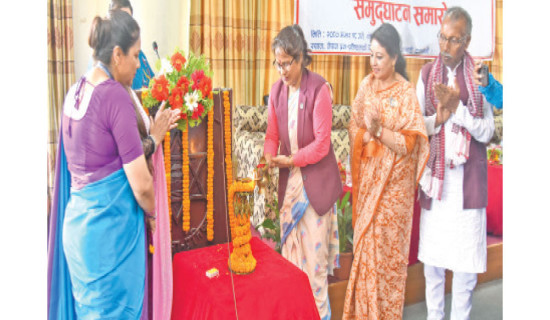
Nepali art, culture should be protected: State Minister Thakuri
The 13th Academic Council of the Nepal Music and Drama Academy was held in Kathmandu on Monday. Sushila Sirpali Thakuri, the Minister of State for Culture, Tourism, and Civil Aviation inaugurated the council.