- Sunday, 24 May 2026

Election fever leaves key offices leaderless
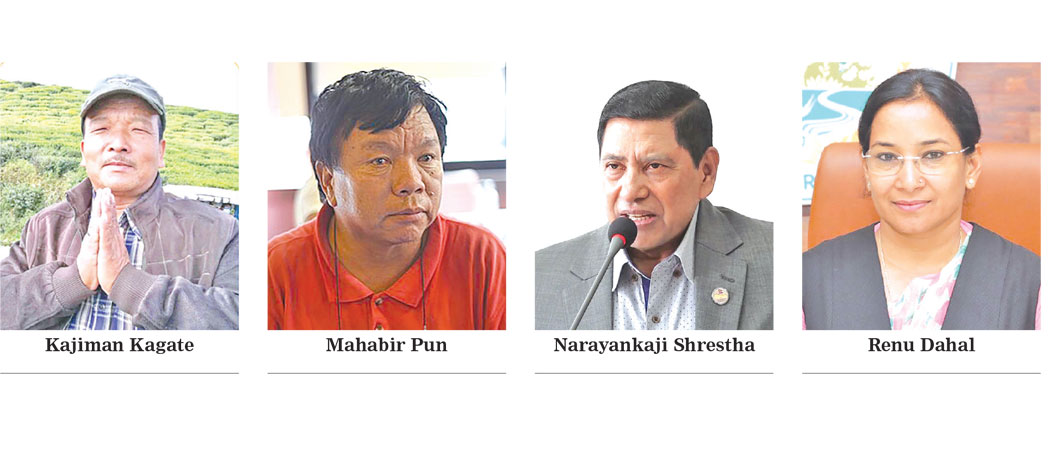

By A Staff Reporter,Kathmandu, Feb. 7: Of the candidates now busy campaigning for the House of Representatives elections scheduled for March 5, 34 have defected from their positions, including the federal ministers.
In what is described as a political migration in Nepal’s modern history, a wave of resignations swept through the halls of power from January 18 to 20, as many, from the central cabinet to local municipal offices, stepped down and filed nominations for the HoR elections.
Four ministers of the interim government formed to hold the elections vacated their seats, but they are not the only ones. Dozens of mayors, provincial members, and even local ward chairs have followed suit, leaving many government offices leaderless in pursuit of a seat in the 275-member HoR.
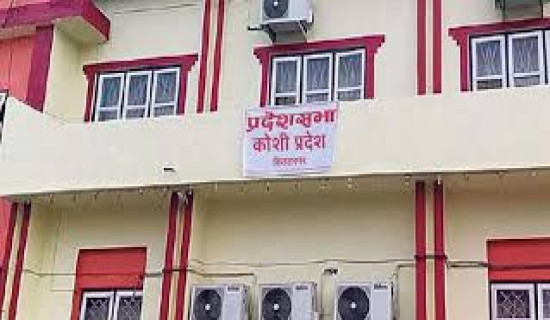
In total, 36 people’s representatives have resigned to contest the elections. Four Federal Ministers, three National Assembly Members, 14 Provincial Assembly Members, nine local-level mayors or chairmen, two deputy mayors/chairs, and four ward chairs resigned to join the fray. However, two of them did not join the fray even after stepping down. They are Bam Dev Gautam, a National Assembly member, and Kundan Kafle, Bagmati Provincial Assembly member.
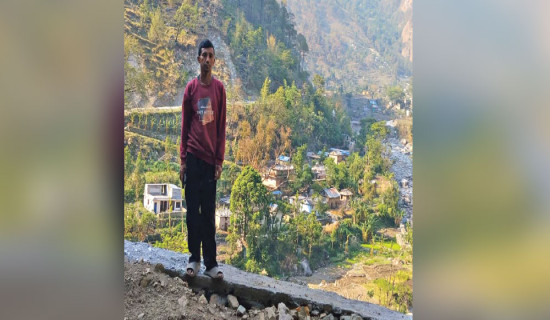
In the rugged hills of Western Myagdi, former Education Minister and Magsaysay Award-winning scientist Mahabir Pun is transforming the campaign trail by trekking through villages to sell his autobiography. He is contesting from Myagdi-1 constituency as an independent candidate.
While Pun walks the mountains, the plains of Jhapa are witnessing the most anticipated contest of this election. Balendra (Balen) Shah, the former Mayor of Kathmandu Metropolitan City, resigned to take on the ultimate political challenge, contesting against former Prime Minister and CPN-UML Chairman KP Sharma Oli in Jhapa-5.
The interim government has seen its core strength depleted as ministers traded their portfolios for party tickets. Kulman Ghising, the man credited with ending Nepal’s darkness, resigned as Energy Minister to lead his own Ujhyalo Nepal Party from Kathmandu-3. He is also busy in election campaign programme, meeting with locals across Nepal.
Joining the RSP ranks, former Communication and Information Technology Minister Jagdish Kharel has filed his nomination in Lalitpur-2, while former Youth and Sports Minister Bablu Gupta is contesting from Siraha-1. These leaders argue that resigning was necessary to ensure the interim government remained neutral during the polling process.
However, this mass exodus of leaders has left a visible gap in governance. In Koshi Province, high-profile figures like Harka Sampang (Mayor of Dharan), Ran Bahadur Rai (Mayor of Suryodaya), and Dilip Kumar Agrawal (Mayor of Rangeli) have all resigned. Even Renu Dahal has left her post as Mayor of Bharatpur to contest in Chitwan-3.
Prominent National Assembly members who resigned to contest the election include Bamdev Gautam, Narayankaji Shrestha and Bhagwati Neupane. However, Gautam did not receive a party ticket to contest.
The impact is most severe in places like Tikapur, where both the Mayor and Deputy Mayor positions are now vacant. Ramlal Dagaura Tharu resigned from his post as Mayor to contest the election from Kailali-1.
Deputy Mayor Khadak Bahadur Shah has been suspended since early 2024 due to his alleged involvement in land irregularities. Residents are worried that service delivery will suffer. Administrative experts warn that while contesting elections is a right, leaving local mandates halfway through a five-year term places a heavy burden on the remaining staff and confuses the voters who elected them for local service.
As the candidates rally around the country to promote themselves and their party, the people watch with nervous breath. This election is not just about choosing a parliament, it is a test of whether Nepal’s most popular local faces can translate their grassroots success into national leadership.
-square-thumb.jpg)