- Wednesday, 27 May 2026

Rukum's Tourism Potential
 Rukesh Ghale
Rukesh Ghale
Rukesh Ghale
When people talk about tourism in Nepal, they usually mention Everest, Pokhara or Chitwan, Lukla, or Annapurna. These places are famous and attract thousands of visitors, both domestic and international, every year. But Nepal has many hidden treasures that most people do not know about. One of them is Rukum, in the mid-western hills. It is full of beautiful nature, scenery, culture and history, yet it is rarely promoted as a tourist destination. Rukum is known as the district of 52 lakes and 53 hills. Rukmini Tal and Syarpu Tal are famous lakes in the district. They are calm and clean, with green hills and small villages around them.
Visitors can take a boat ride, watch birds, or just enjoy the beautiful view by the water. The district also offers great mountain views, such as Putha Hiunchuli, Sisne and Dogali. The fresh air and the scenery are breathtaking. It has many trails that pass through forests, rugged landscapes and traditional villages for those who love trekking, adventure and exploration. From these places, visitors can see the mighty Dhaulagiri range.
Rukum also has deep historical importance. During the Maoist conflict between 1996 and 2006, it was one of the main centres of revolution. Villages like Thawang became symbols of political change. Today, these areas can be promoted as part of history tourism. The Guerrilla Trek has already been developed to show visitors the trails and villages connected to that time, making Rukum a place where adventure meets history.
The culture of Rukum is just as interesting. The district is also home to many communities, including Magar, Kham, and Chhetri, with their own identity, language, festivals, songs, dances, cultures, and traditions. Tourists who want to experience authentic Nepali culture would find Rukum very fascinating. Visiting local homes, eating traditional food and joining village celebrations can give travellers a deep sense of connection with the tradition, as well as with the people.
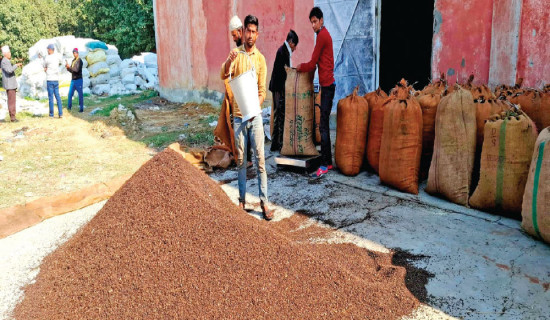
Rukum also has a strong agricultural base. The district is known for apples, herbs and organic products. Local apple wine, dried fruits and medicinal plants are already gaining attention in markets nationwide. These products can be linked with tourism through farm stays, food tours and wellness tourism. Moreover, agriculture and tourism can support each other and give more income to local families. But despite all those potential, Rukum is neglected and left behind. Roads are difficult and often blocked, flights are irregular, and services like hotels and information centres are limited. Promotion is very weak. Most visitors neither know about Rukum nor its attractions.
If developed to its potential, Rukum could offer many kinds of tourism. Eco tourism can focus on the lakes and forests. Adventure tourism can include trekking, rafting as well as paragliding. Cultural tourism can highlight the rich traditions of the local people. History tourism can focus on the Maoist conflict and its impacts. This could create jobs, reduce poverty and keep young people from leaving their villages to find work.
To make this possible, the government and private sector need to work together. Roads and transport should be improved. Eco-friendly homestays and small hotels should be encouraged. Local people should be trained as guides and tourism workers. The tourism board should promote Rukum. It may not have Everest, but it has untouched lakes, majestic mountains, living history and warm people ready to welcome visitors with generous hospitality.
-square-thumb.jpg)