- Thursday, 28 May 2026

Sinja Haat market, revived after three centuries

By Netra Shahi
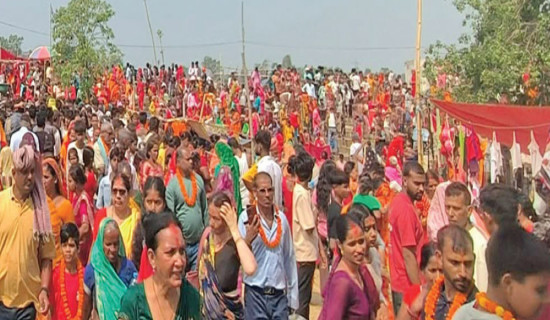
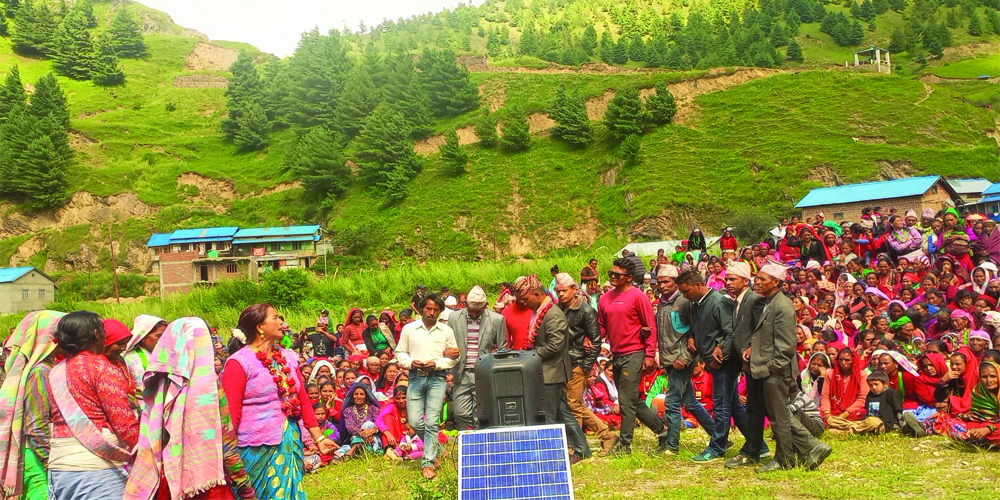
Jumla, Aug 19 : The Sinja Rural Municipality of the district has revived its old tradition of holding Haat markets.
It may seem odd to call it a tradition, especially as Haat is considered something similar to a farmers’ market rural communities all over the country hold on a weekly or a monthly basis. But in Jumla, the word has its own history dating back to the Khas kingdom.
Here, the word Haat means the centre of commercial activity that held great social, cultural and geo-political value that allowed the kingdom to extend its might from the southernmost parts of India to the northernmost corners of China.
History shows that Haat was the reason the Khas kingdom, centred at Sinja, was one of the superpowers of the region from the 12th to the 14th century.
Purna Prasad Dhital, chairman of the rural municipality, shared that the Khas kingdom of the past was strong in production and was also the centre of commerce for its northern and southern neighbours.
He further informed that the local level began holding such Haats from Shrawan 1 and would hold them regularly on the first of every Nepali month to restore the heritage of the Sinja empire and help local products find a market.
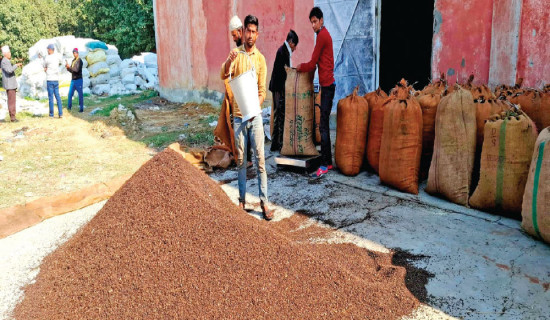
Deputy chairperson Sitali Rokaya said that the Haat market would help Sinja residents sell their vegetables, Marsi rice, apples and beans. She also said that the market would promote local culture. For instance, during the latest Haat held on Wednesday at Narakot, where the office of the rural municipality is located, the locals organised a Deuda competition.
Local Man Prasad Dhital said that the revival of the Haat tradition heralded a new dawn for Sinja and Jumla and added that the volume of sales had already increased.
Resa Rana also said that the Haat had brought an end to the situation of farmers having to throw out their produce due to lack of sale.
Before the local level revived them last month, Haats had all but vanished from Sinja. However, the concept was still alive and well in the minds of the people. For example, even today, when people in Karnali Province need to buy something big or special, they say they will go to Haat. The north-eastern part of Sinja is still known as Haat Sinja despite it falling in the Kankasundari Rural Municipality.
This sentimental attachment and pride are what prompted Sinja Rural Municipality to restart Haat, its officials said.
They also claimed that this tradition had been revived after 233 years, stating that it had not been held since the conquest of Jumla by the Gorkhali forces in 1789.
Chairman Dhital said that Haat, as a periodic market, spread from Jumla to other districts.
-original-thumb.jpg)