- Thursday, 28 May 2026

New statute gives some Tunisians hope, others concern
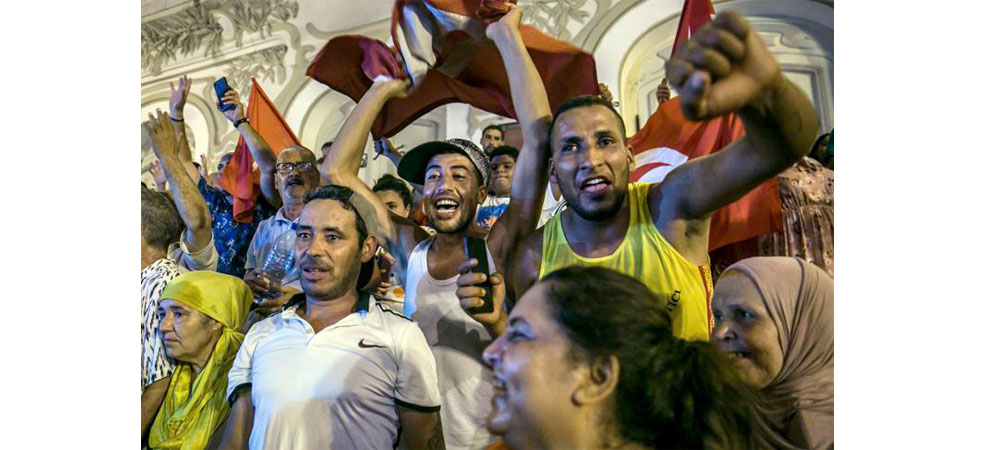

Tunis, Tunisia, July 30: Tunisians have overwhelmingly approved a referendum on a new constitution that gives more powers to the country's president. It's a step that brings hope to many in the struggling North African nation, but critics warn it could return Tunisia to autocracy.
Some people interviewed by The Associated Press this week celebrated the result of Monday's referendum and expressed support for President Kais Saied, who spearheaded the project and proposed the text himself.
Others said they worry about what the changes could mean for the future of democracy in the country. The overhauled constitution gives sweeping executive powers to the president and weakens the influence of the legislative and judicial branches of the government.
Adel, a 51-year-old plumber who refused to give his last name due to fear of political reprisals, said that while he supported Saied, he did not participate in Monday's referendum because he thought the proposed changes gave the executive branch too much power.
“This constitution he made was not for the long-term. Those who will come after Saied will do whatever they want without being held accountable,” he said. In 2011, Tunisians rose up against Zine El Abidine Ben Ali, the country's strongman president, and kicked off the Arab Spring protests in North Africa and the Middle East. Tunisia was the only nation to emerge from the protests with a democratic government.
Saied won the presidency in 2019 with over 70% of the vote. He continues to enjoy widespread popular support; recent polls put his approval rating at well over 50%.
The referendum took place a year to the day after Saied froze Tunisia’s parliament and dismissed his government. Opponents derided the moves as “a coup,” but many Tunisians supported the president's actions due to exasperation with political elites and years of economic stagnation.
In the same way, many citizens think the new constitution will end years of political deadlock and reduce the influence of the country's largest political party, Ennahdha. Others saw a “yes” vote as a vote for Saied and a chance to change their fortunes.
Saida Masoudi, 49, a fast-food seller in a Tunis suburb who voted for the revised constitution, said she hoped the changes would pave the way to economic reforms and lower living costs.
“We just want the country to improve and reform. That’s why I participated in this referendum, so that the country will return to how it was before” she said, adding that she thinks Tunisians lived better under Ben Ali than they do today.
However, Heba Morayef, Amnesty International’s regional director, called the constitution's adoption “deeply worrying.” She said in a statement that the revisions were drafted behind closed doors in a process controlled by Saied.
“The new constitution dismantles many of the guarantees to the independence of the judiciary, removes protection for civilians from military trials and grants the authorities the power to restrict human rights or renege on international human rights commitments in the name of religion” Morayef said. Official preliminary results showed about one-third of registered voters cast ballots, with 94.6% giving their approval.
Opposition leaders had called for a boycott of the referendum, saying the process was flawed, and they argue the turnout reflected discomfort with the changes to Tunisia's system of government.