- Monday, 4 May 2026

Actor Nazir asks young people not to let their dreams die
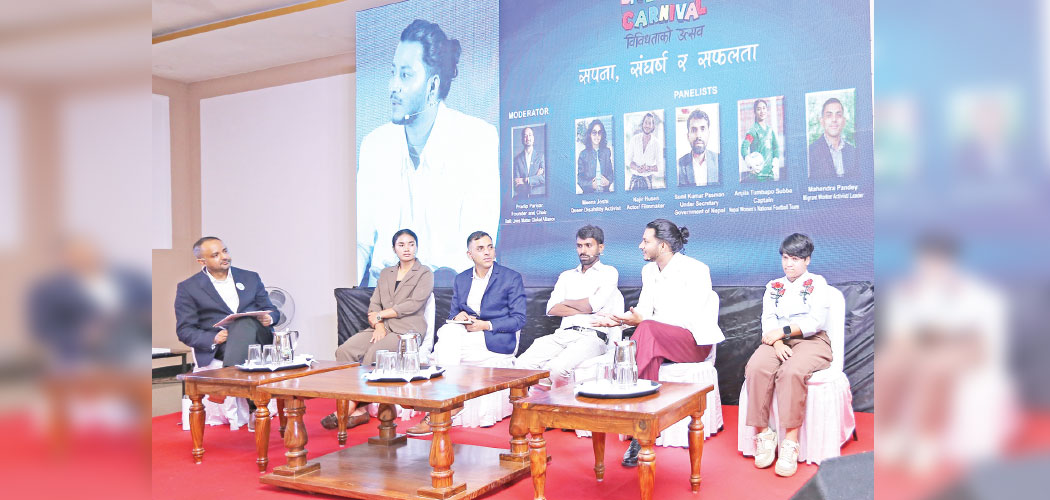

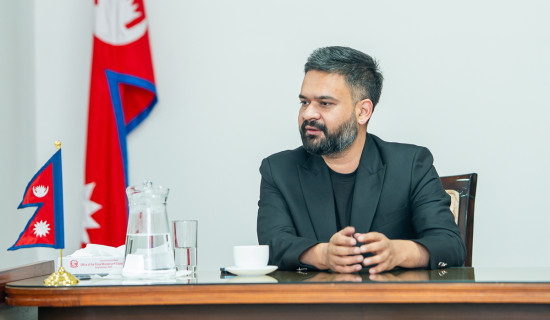
By A Staff Reporter,Kathmandu, Aug. 13: Actor Nazir Hussain’s entry into cinema was not easy. "Growing up on the banks of a river in the Madhes, for someone like me to make it this far was beyond imagination,” he said at the 'Diversity Carnival' organised by the Dalit Lives Matter Global Alliance in the capital on Monday. "Because of my Madhesi accent, I was rejected from films many times. To become acceptable, I even tried various ways to look fair-skinned." Raised in a family with a Hindu mother and a Muslim father, he grew up practising multiculturalism. From a young age, he was drawn to Sufi music and art. "As a child, watching television in my village, I would dream that I’d be dancing on that TV screen someday," he said. "Now, I want to do work that will make me known all over the world."
He asserted that he had, to a certain extent, challenged the typical portrayal of Madhesi characters in Nepali cinema, where they were traditionally limited to comedians, gangsters, or roadside snack vendors.
"Madhesis are not only dark-skinned, they can be fair as well. They can speak both Nepali and English fluently. Please do not cling to outdated stereotypes," he said. He advised young people to never let their dreams die.
At the event, Dr. Smriti Harijan, the first woman doctor from the Chamar community, gave a keynote speech, saying, "I was able to get here because my grandfather and father worked hard in the heat and smoke of the brick kilns." Recalling how she had to take water separately in her cupped hands, a painful reminder of caste-based discrimination she endured, she is proud of topping the SEE exam in her centre in 2002.
"I was able to become a doctor because the University Grants Commission has a provision for MBBS scholarships for the Chamar, Dom, and Musahar communities," she said. "This clearly shows how vital reservations are for marginalised communities."
Government Undersecretary Sunil Kumar Paswan expressed the view that caste is not something people are born with, but something created by society. "We don't need to become something extraordinary; just becoming human is enough," he said. "We set out from being animals to becoming human beings, but we are still somewhere in between."
Nepal Women’s Football Team captain Anjila Tumbapo Subba, migrant rights advocate Mahendra Pandey, Musahar community representative and queer activist Meena Joshi shared their inspiring stories. Moreover, Magasaysay–winning sanitation worker rights activist Wilson Bezwada, and columnist CK Lal opined on the caste system.