- Monday, 4 May 2026

Restlessness Ruins Human Health

In today's fast-paced society, people of all ages now frequently experience restlessness. Whether it is the inability to sit quietly during calm moments, the anxiety before a major decision, or the continual need to check our phones and social media feeds, our modern lives seem to be dominated by restlessness. However, restlessness is not just a fleeting feeling; if it persists and is not controlled, it can have a significant impact on our physical, mental, and emotional well-being. Constant restlessness is an indication of a problem, particularly during stressful or exciting times, although occasional restlessness is normal.
Restlessness is a condition of agitation, unease, or continual activity that keeps a person from feeling at ease or satisfied mentally or physically. It manifests itself as a racing mind, an obsessive urge to be busy, inability to focus, frequent fidgeting, or impatience. There are several reasons why people become restless. Stress, anxiety, and sadness are some of the most prevalent psychological causes that might cause this. Lack of physical activity, excessive use of stimulants like caffeine, sleep deprivation, and digital device information overload are significant contributors to restlessness.
Medical illnesses
Medical illnesses, including Attention Deficit Hyperactivity Disorder (ADHD), Restless Leg Syndrome (RLS), and specific neurological or hormonal imbalances, may cause persistent restlessness. People with anxiety may become extremely restless. The mind may be overflowing with anxieties while the body may respond with tightness and a persistent craving for activity or assurance. This results in a vicious cycle of anxiety and drives the person far from chill out or sleep well. Depression can result in restlessness but manifest paradoxically, feeling both psychologically uneasy and exhausted. The chronic mental unease deteriorates cognitive functioning.
People with restlessness may have difficulty concentrating, making judgements, or retaining information. This ultimately harms social connections, work productivity, and academic achievement. Sleep disturbance is one of the most obvious consequences of restlessness. People have trouble falling or staying asleep because they are unable to relax their bodies and minds. Sleeplessness and chronic restlessness are strongly related, and insomnia exacerbates the underlying causes of restlessness, such as depression or anxiety.
Sleep is essential for memory consolidation, emotional control, and the body's healing processes. Increased weariness, weakened immunity, irritability, and impaired judgement are all consequences of inadequate sleep. As the cycle persists, people may turn to drugs, alcohol, or coffee as coping mechanisms, which ultimately makes the issue worse. Although restlessness is frequently thought of as a psychological or emotional problem, it has serious consequences on physical health. Chronic stress is brought on by extended periods of restlessness and triggers the body's "freeze, fight or flight" reaction.
Stress hormones like cortisol and adrenaline are released as a result, which increases blood pressure, heart rate, and blood sugar levels. Serious health issues like high blood pressure, heart disease, weakened immunity, weight gain or loss, gastrointestinal disorders like ulcers or irritable bowel syndrome, and an increased risk of type 2 diabetes can result from ongoing restlessness. Furthermore, chronic restlessness leads to adopt harmful coping strategies like smoking, overeating, or substance abuse, which further worsen physical health.
A person may grow emotionally distant from friends and family if they are incessantly distracted, agitated, or unable to have quiet, meaningful interactions. Feelings of melancholy, inadequacy, or loneliness may be exacerbated by this seclusion. Additionally, being restless can make it harder to enjoy life. Activities like reading, meditation, or even just spending peaceful time with loved ones become less appealing when one is unable to remain in the present or find fulfilment in quietness. This disengagement from everyday joys might eventually lead to emotional exhaustion and a decline in quality of life.
Adults are not the only ones with restlessness. A growing number of kids and teenagers are suffering from chronic restlessness, which is fueled by pressure to perform well in school, excessive screen usage, and less time spent playing outside. This is particularly troubling in emerging nations like Nepal, where digital habits are quickly displacing traditional ones. Children's restlessness frequently shows itself as behavioural problems, such as difficulties following directions, mood swings, disruptive behaviour, and difficulty focusing in class. Their social growth, academic performance, and self-esteem may all be impacted if this is not acknowledged in time and handled.
Managing restlessness calls for a multifaceted strategy. In the majority of situations, lifestyle modifications and psychological therapies are more important than medication, even though the latter may be helpful in cases involving clinical disorders. Consistent mindfulness training enables people to become objectively conscious of their thoughts and emotions. To overcome restlessness, it teaches the mind to slow down. Walking, yoga, and sports are examples of physical activities that help release repressed energy, improve sleep, and elevate mood by increasing endorphins. Cutting back on screen usage, particularly right before bed, can greatly reduce brain stimulation and enhance the quality of sleep.
Regular sleep schedule
We can manage sleep-related restlessness by keeping a regular sleep schedule, avoiding stimulants in the late hours of the day, and setting up a peaceful sleeping environment before bed. A nutritious, well-balanced diet rich in whole foods supports brain health and reduces irritability and fatigue. Sometimes, professional help such as counseling, cognitive behavioural therapy (CBT), and if necessary, medical treatment can provide structured and personalised support to those struggling with chronic restlessness.
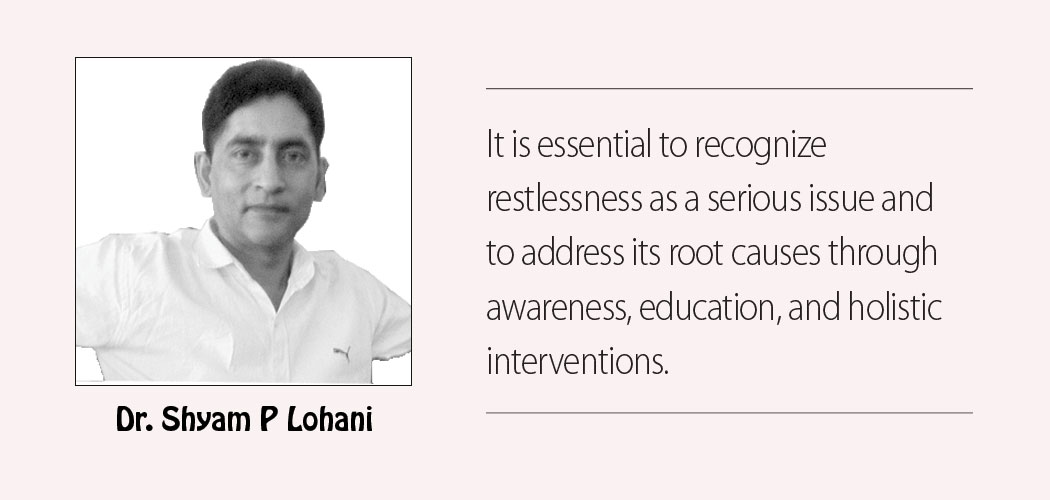
Restlessness is more than just a passing feeling of boredom or unease. When chronic, it can severely disrupt mental, emotional, and physical health, limiting an individual's ability to live a fulfilling life. It is essential to recognize restlessness as a serious issue and to address its root causes through awareness, education, and holistic interventions. Balancing modern demands with traditional values of mindfulness, community, and simplicity can offer a meaningful path toward mental well-being. Ultimately, learning to embrace calmness, presence, and inner peace is not just beneficial; it is vital for a healthier and more harmonious life.
(Dr. Lohani is the executive director at the Health Concern. lohanis@gmail.com)