It has long been touted that 10,000 steps a day are the magic number you need to stay fit and healthy - but a new study shows fewer than 5,000 may be enough to see a benefit. The analysis of more than 226,000 people around the world showed 4,000 was enough to start reducing the risk of dying prematurely from any cause.
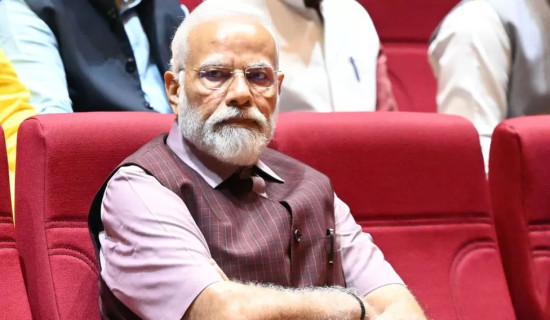
India's parliament is debating a no-confidence motion that opposition parties have brought against Prime Minister Narendra Modi's government. Congress party lawmaker Gaurav Gogoi, who had brought in the motion on 26 July, initiated the debate.

The eldest son of Cambodia's long-term ruler has been endorsed as the country's next premier in a formality confirming the transition of power. On Monday, Cambodia's king issued a decree stating Hun Manet will succeed Hun Sen, who has ruled for 38 years.

Niger's coup leaders have closed the country's airspace until further notice, citing the threat of military intervention from their neighbours. Flight tracking website Flightradar24 is showing that there are currently no aircraft in Niger's skies.

At least 19 people have been killed and 50 injured when a train derailed in southern Pakistan, officials say. Several coaches of the Hazara Express overturned near Sahara railway station in Nawabshah, about 275km (171 miles) from the largest city Karachi.
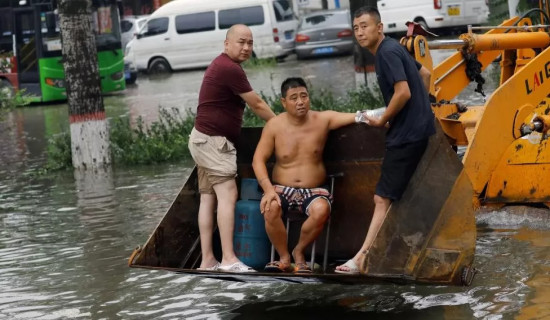
Storms bearing unusually torrential rain and ferocious winds this early in the North Pacific typhoon season have flooded large swathes of East Asia, with China among the countries worst hit. In the capital of Beijing alone, the amount of rain over the past week has broken a 140-year-old record.
Former Pakistan Prime Minister Imran Khan has been given a three-year jail sentence over corruption allegations. A court in Islamabad found him guilty of not declaring money he had earned from selling state gifts. He denies the charges and says he will appeal.
India's Supreme Court has suspended opposition leader Rahul Gandhi's conviction in a criminal defamation case. The Congress leader was sentenced to two years in jail in March for his 2019 comments about Prime Minister Narendra Modi's surname at an election rally.
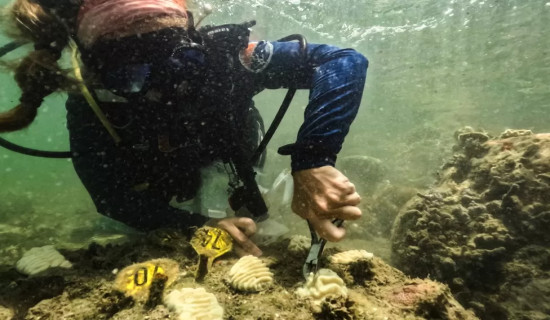
The oceans have hit their hottest ever recorded temperature as they soak up warmth from climate change, with dire implications for our planet's health. The average daily global sea surface temperature beat a 2016 record this week, according to the EU's climate change service Copernicus.
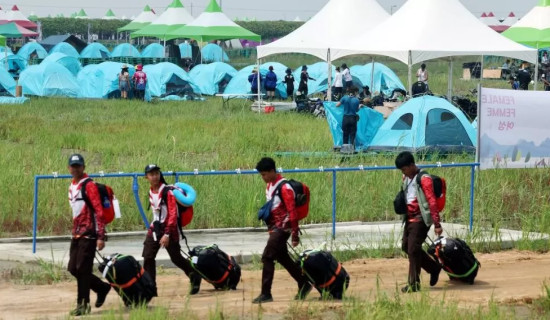
Hundreds of participants at the 25th World Scout Jamboree in Buan, South Korea have been hit by heat exhaustion. Some 400 cases were reported on the first night of the event on Tuesday, with many treated at a makeshift hospital at the campsite.
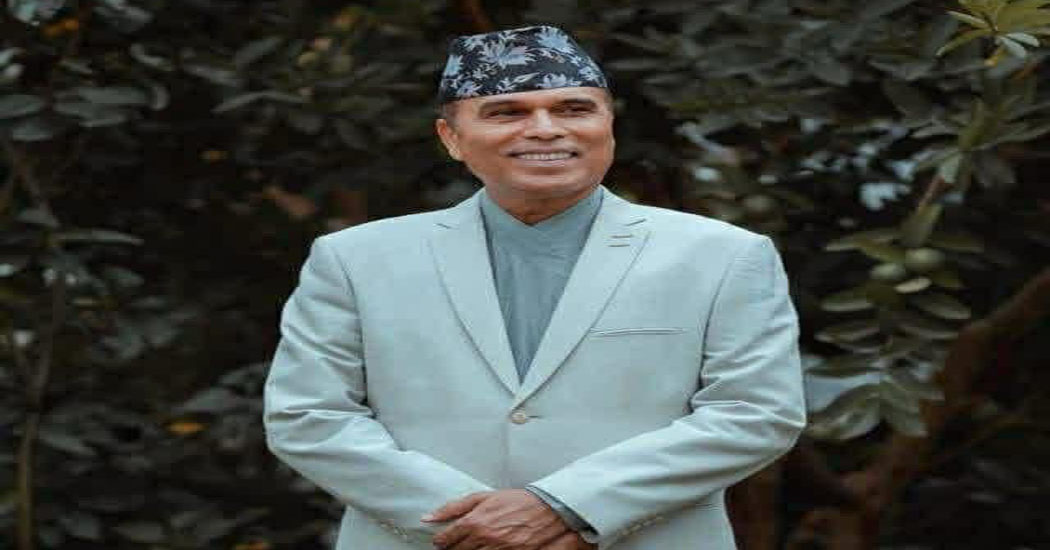
Canada's PM Justin Trudeau and his wife Sophie are separating after 18 years, following "meaningful and difficult conversations". The couple said they would remain "a close family with deep love and respect" in an Instagram post.
A typhoon has lashed southern Japan, forcing evacuations and cutting off power to one-third of homes on the Okinawa islands. Slow-moving Khanun - the third typhoon to hit East Asia in as many weeks - threatens to worsen the heaviest rains in Beijing in more than a century.
By Soutik Biswas, Aug. 2: What happens when India bans exports of a food staple that is essential to the diets of billions around the world?On 20 July, India banned exports of non-basmati white rice in an attempt to calm rising domestic prices at home. This was followed by reports and videos of panic buying and empty rice shelves at Indian grocery stores in the US and Canada, driving up prices in the process.There are thousands of varieties of rice that are grown and consumed, but four main groups are traded globally. The slender long grain Indica rice comprises the bulk of the global trade, while the rest is made up of fragrant or aromatic rice like basmati; the short-grained Japonica, used for sushi and risottos; and glutinous or sticky rice, used for sweets.India is the world's top rice exporter, accounting for some 40% of the global trade in cereal. (Thailand, Vietnam, Pakistan and the US are the other top exporters).Among the major buyers of rice are China, the Philippines and Nigeria. There are "swing buyers" like Indonesia and Bangladesh who step up imports when they have domestic supply shortages. Consumption of rice is high and growing in Africa. In countries like Cuba and Panama, it is the main source of energy.Last year, India exported 22 million tonnes of rice to 140 countries. Of this, six million tonnes was the relatively cheaper Indica white rice. (The estimated global trade in rice was 56 million tonnes.)AFP, Farmers plant rice saplings at a water-logged farm in India in JuneIndica white rice dominates around 70% of the global trade, and India has now ceased its export. This comes on top of the country's ban last year of exports of broken rice and a 20% duty on non-basmati rice exports.Not surprisingly, July's export ban has sparked worries about runaway global rice prices. IMF chief economist Pierre-Olivier Gourinchas reckons the ban would drive up costs and that international grain prices could rise up to 15% this year.Also, India's export ban has not come at a particularly propitious time, Shirley Mustafa, a rice market analyst at the UN's Food and Agriculture Organisation (FAO) told me.For one, global rice prices have been steadily rising since early 2022, with an increase of 14% since last June.Second, supplies are under strain, given that the arrival of the new crop in the markets is still about three months away.Inclement weather in South Asia - uneven monsoon rains in India and floods in Pakistan - has affected supplies. The costs of growing rice have gone up because of a rise in the prices of fertilisers.The devaluation of currencies has led to increased import costs for numerous countries, while high inflation has elevated the borrowing costs of trade.AFP, India is the world's top rice exporter, accounting for some 40% of the global trade in the cereal"We have a situation where importers are constrained. It remains to be seen whether these buyers will be in a position to cope with further price increases," says Ms Mustafa.India has a stockpile of an eye-popping 41 million tonnes of rice - more than three times the buffer requirement - in public granaries for its strategic reserve and the Public Distribution System (PDS), which gives more than 700 million poor people access to cheap food.Over the past year, India has grappled with nagging food inflation - domestic rice prices have risen more than 30% since last October - resulting in increased political pressure on the government ahead of general elections next year. Also, with a host of state-level elections in the coming months, the escalating cost of living poses a challenge to the government."I suspect that the action to ban non-basmati rice exports is largely precautionary and hopefully it will prove temporary," Joseph Glauber of the International Food Policy Research Institute (Ifpri) told me.Devinder Sharma, an expert in agriculture policy in India, says that the government is trying to get ahead of an anticipated production shortfall, with rice-growing regions in the south also exposed to risks of dry rain as the El Nino weather pattern sweeps through later this year.Many believe India should avoid rice export bans as they are detrimental to global food security.More than half of the rice imports in around 42 countries originate from India, and in many African nations, India's market share in rice imports surpasses 80%, according to Ifpri.In top consuming countries in Asia - Bangladesh, Bhutan, Cambodia, Indonesia, Thailand and Sri Lanka, for example - the share of rice consumption in total calorie intake a day ranges from 40% to 67%.GETTY IMAGES, In many African nations, India's market share in rice imports surpasses 80%"These bans hurt the vulnerable people most because they dedicate a larger share of their incomes to buying food," says Ms Mustafa. "Rising prices could compel them to reduce the quantity of food they consume or switch to alternatives that are not nutritionally good or cut expenses in other basic necessities like housing and food." (To be sure, India's ban does permit some government shipments to countries on the basis of food security.)Food export bans are not new. Since last year's Russian invasion of Ukraine, the number of countries imposing export restrictions on food has risen from three to 16, according to Ifpri. Indonesia banned palm oil exports; Argentina banned beef exports; and Turkey and Kyrgyzstan prohibited a range of grain products. During the first four weeks of the Covid pandemic, some 21 countries implemented export restrictions on a range of products.But experts say India's export ban poses greater risks. It would "surely cause a spike in global prices of white rice" and "adversely affect the food security of many African nations", warn Ashok Gulati and Raya Das of the Indian Council for Research on International Economic Relations (Icrier), a Delhi-based think tank. They believe that in order for India to become a "responsible leader of the Global South in G-20", it should avoid such abrupt bans. "But the bigger damage," they say, "will be that India will be seen as a very unreliable supplier of rice."
The Taliban have burned musical instruments in Afghanistan, claiming music "causes moral corruption". Thousands of dollars worth of musical equipment went up in smoke on a bonfire on Saturday in western Herat province.
"Doomsday scenes" unfolded in Pakistan after a suicide bomber targeted a political rally, killing at least 45 people, an eyewitness has told the BBC. People screamed for help as rescuers rushed to the scene in the north-west Bajaur district on Sunday, rally organiser Imran Mahir said.