- Wednesday, 10 June 2026

Remittances, forex reserve surge strengthen external sector
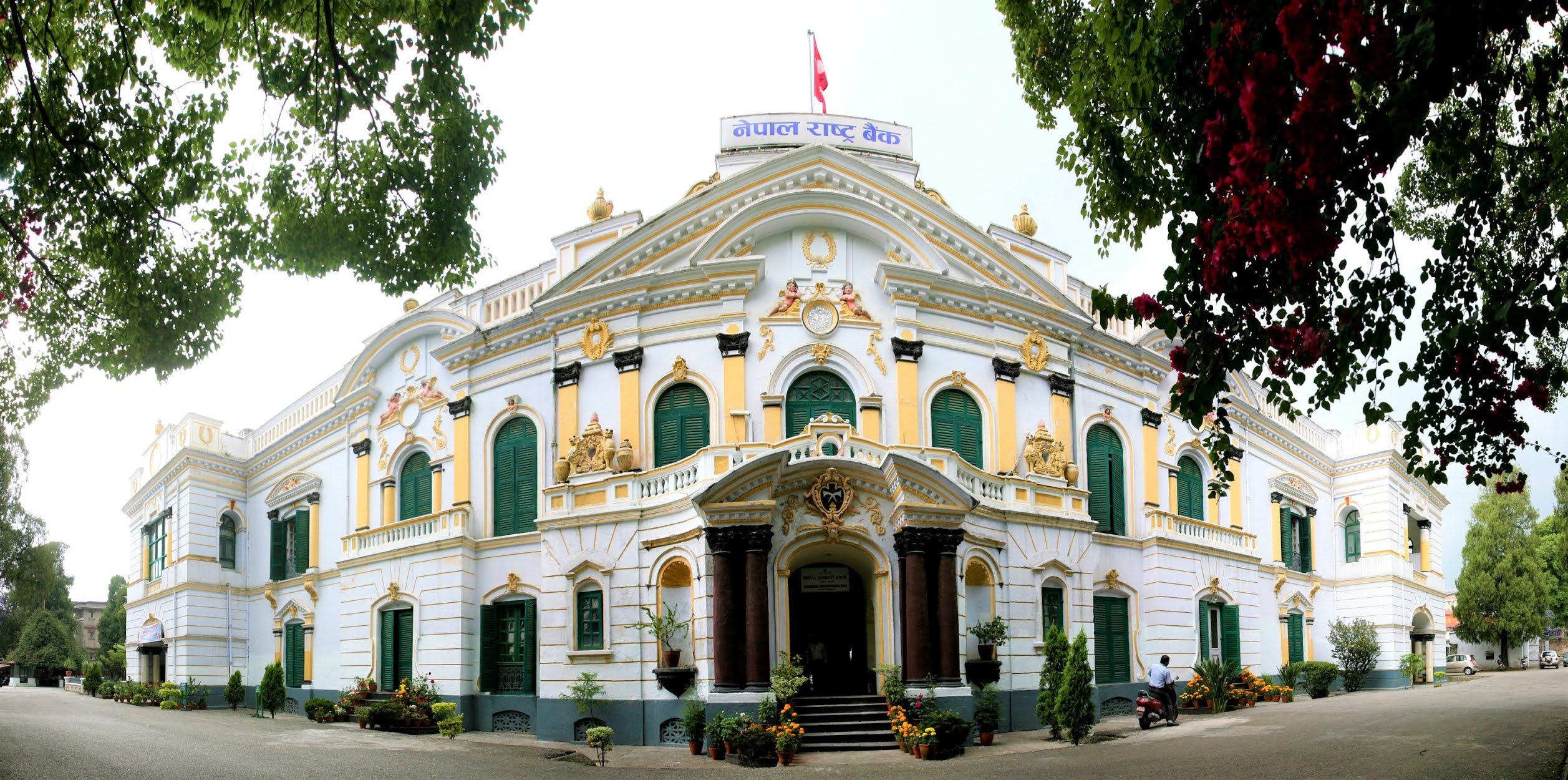

Kathmandu, June 10: The country's external sector recorded a strong performance in the first ten months of the current fiscal year 2025/26, supported by soaring remittance inflows, expanding foreign exchange reserves, and significant surpluses in both the current account and balance of payments (BoP).
According to the Current Macroeconomic and Financial Situation Report released by Nepal Rastra Bank (NRB) on Tuesday, gross foreign exchange reserves increased by 38.3 per cent to Rs. 3704.55 billion in mid-May 2026 from Rs. 2677.68 billion in mid-July 2025.
In US dollar terms, the gross foreign exchange reserves increased by 24 per cent to 24.19 billion in mid-May 2026 from 19.50 billion in mid-July 2025.
Of the total foreign exchange reserves, the reserves held by NRB increased by 36.6 per cent to Rs. 3298.38 billion in mid-May 2026 from Rs. 2414.64 billion in mid-July 2025.
Similarly, reserves held by banks and financial institutions (except NRB) increased by 54.4 per cent to Rs. 406.17 billion in mid-May 2026 from Rs. 263.04 billion in mid-July 2025.
The share of Indian currency in total reserves stood at 20.6 per cent in mid-May 2026, said the report.
Based on the imports of the ten months of 2025/26, the foreign exchange reserves of the banking sector are sufficient to cover the prospective merchandise imports of 22.6 months, and merchandise and services imports of 19.2 months.
The ratio of reserves-to-GDP, reserves-to-imports and reserves-to-M2 stood at 60.7 per cent, 159.7 per cent, and 43.3 per cent respectively in mid-May 2026.
Such ratios were 43.8 per cent, 128.1 per cent, and 34.1 per cent respectively in mid-July 2025.
Remittance inflow hits record high
Remittance inflows, the key pillar of Nepal’s external sector, witnessed a sharp rise during the review period.
The country received Rs. 1,916.90 billion in remittances in the first ten months of FY 2025/26, marking a 41.2 per cent increase compared to a 13.3 per cent growth recorded in the same period last fiscal year.
In the month of Baisakh alone (mid-April to mid-May), the country received around Rs. 257.49 billion in remittances, significantly higher than Rs. 165.30 billion recorded during the corresponding period of the previous fiscal year.
The country had received Rs. 209.75 billion in remittances between mid-March and mid-April.
In the US dollar terms, remittance inflows increased by 33 per cent to 13.26 billion in the review period. Such inflow had increased by 10.6 per cent in the same period of the previous year.
Net secondary income (net transfer) reached Rs. 2091.86 billion in the review period. Such income was Rs. 1480.28 billion in the same period of the previous year.
The number of Nepali workers taking first-time approval for foreign employment stood at 335,510 and taking approval for renewed entry stands at 326,364 in the review period.
In the same period of the previous year, such numbers were 405,610 and 280,314, respectively.
BoP and current account surplus widen Similarly, the Balance of Payments (BoP) remained in surplus at Rs. 863.56 billion during the review period, compared to a surplus of Rs. 438.52 billion in the previous year.
In US dollar terms, the BoP recorded a surplus of USD 5.98 billion during the review period, compared to USD 3.23 billion in the same period of the previous year.
Likewise, the current account remained in surplus at Rs. 729.28 billion during the review period, compared to a surplus of Rs. 272.53 billion in the same period of the previous year.
In US dollar terms, the current account recorded a surplus of USD 5.05 billion during the review period, up from USD 2.01 billion in the corresponding period of the previous year.
During the review period, net capital transfer amounted to Rs. 14.65 billion, compared to Rs. 8.48 billion in the same period of the previous year.
Likewise, foreign direct investment (FDI) inflows (equity only) totaled Rs. 16.96 billion during the review period, up from Rs. 10.58 billion in the corresponding period of the previous year.